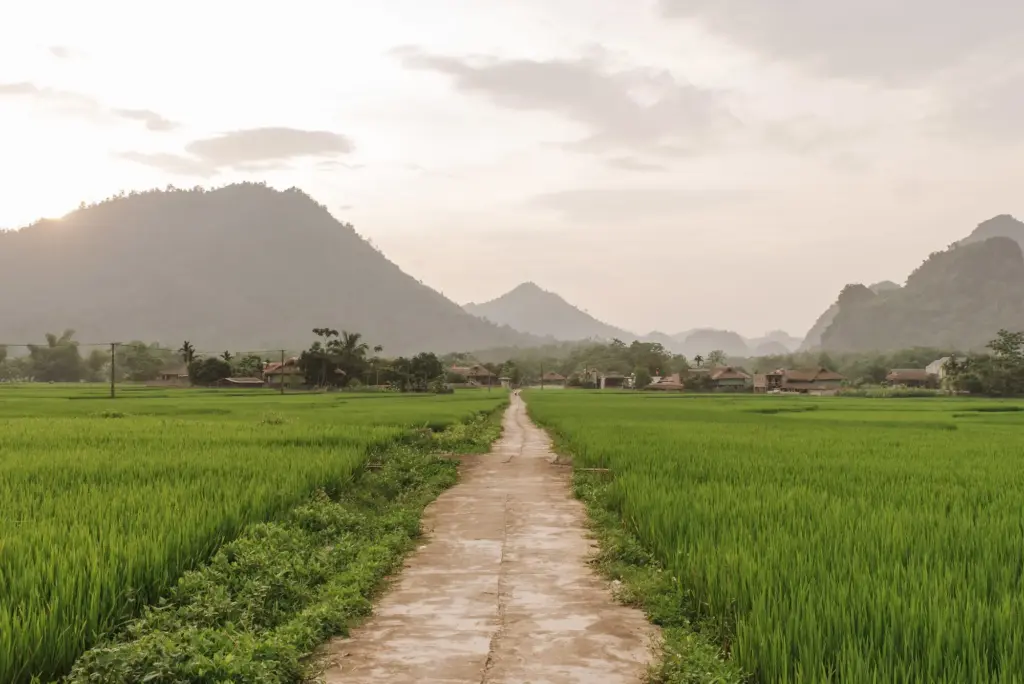
Strolling the Heart of England: Village Greens Uncovered
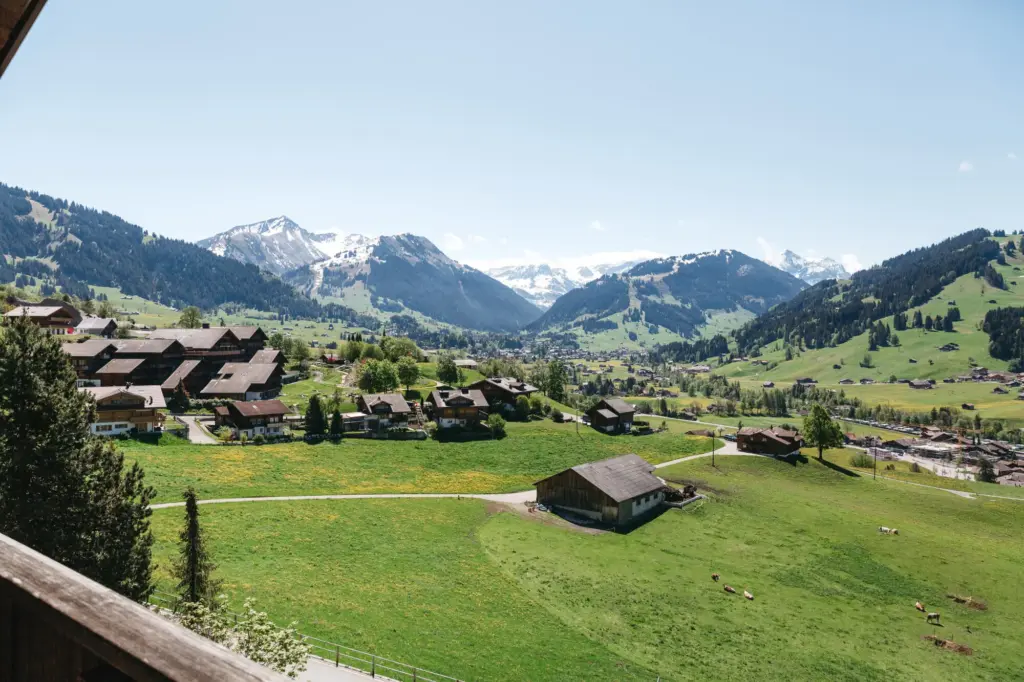
Step onto the soft turf where generations gathered, as we explore the history and traditions of England’s village greens and share richly detailed self-guided walking itineraries. Discover how commons became community stages, learn footpath etiquette, and plan memorable rambles that link greens, pubs, churches, and timeless vistas shaped by centuries of rural life.

Anglo‑Saxon echoes and medieval rights

Centuries ago, customary grazing, fuel gathering, and seasonal fairs were structured by oral agreements and manorial courts, not fences. As you cross a green today, you are following footsteps laid by reeves, carters, shepherds, and ale‑toting merrymakers, whose rhythms shaped edges, paths, and gathering spots that remain visible in pond placements, ancient oaks, and the steady geometry of cottages facing open space.

Fairs, maypoles, and the rhythm of rural life

Imagine the May garlands, ribbons, and musicians arriving from lanes as traders spread cloth, iron goods, and cheeses. The green became a calendar in grass, marking sowing, shearing, and harvest revels. When you pause at a bench, let whispers of mummers, brass bands, and laughter weave with birdsong, reminding you that celebration and sustenance once shared the same welcoming patch of common ground.

Cricket, contests, and the making of local pride

On summer evenings, whites blur against buttercups while spectators lean on rails, children chase stray balls, and dogs doze beside picnic rugs. Village greens foster friendly rivalry, from quoits to tug‑of‑war, shaping belonging through playful skill. An old scorer once told me he chalked totals on a pub door through drizzle, fueled by stories as vital as the match's final boundary.

Wayfinding Across the Greens

England’s rights of way network threads lanes, field margins, and greens through parishes like living history. Fingerposts, stiles, and kissing gates invite considerate passage. Learn to spot waymarks, read hedgerow clues, and respect the mosaic of private land and public access. Your walk becomes smoother, safer, and deeper when every signpost, footbridge, and hoof‑print tells you where to go and how to tread lightly.

Reading the landscape like a map

Before glancing at paper or phone, scan hedges, church towers, and ridge lines. Greens often align with ancient trackways leading to fords or mills. The shape of pond banks, footfall on short turf, and lichened gateposts guides you naturally. Combine these cues with an Ordnance Survey grid, and your confidence grows as views unfold from one familiar landmark to the next reassuring horizon.

Rights of way, stiles, and gates explained

Public footpaths welcome walkers, even across farmland, while bridleways invite cyclists and riders too. Always latch gates, keep dogs close near livestock, and pass single‑file on narrow margins. If a path crosses a green hosting a match or fête, detour courteously around activities. These small gestures preserve goodwill and keep the centuries‑old pact between landowners, councils, and walkers flourishing for future generations.

Safety, seasons, and considerate timing

Greens change with weather and calendars. Frost can glass the turf, summer heat may bake clay hard, and fairs may redirect usual lines. Start early to avoid crowds, pack layers, and check parish notices for events. When cows and calves graze, give space and calm passage. kindness and patience ensure your visit adds harmony to the day’s rhythm rather than disruption or unintended stress.

Choosing a base and linking nearby greens

Begin with a parish boasting a welcoming pub, visible footpath signs, and a central green. Identify neighboring villages within five to eight kilometers, then sketch a loop visiting two or three. Prioritize safe road crossings, shaded rest spots, and scenic bridges. The result feels like a necklace of open spaces, each bead offering a new angle on history, architecture, and gentle social life.

Tools: OS maps, GPX files, and offline notes

Carry an OS Explorer sheet for contours and field boundaries, and preload a GPX onto a reliable app with offline tiles. Mark water taps, bus stops, and bakeries by hand, because scribbles often outlast batteries. Photograph parish boards and memorials for later reading. Layering analog and digital tools keeps you nimble when diversions, faded waymarks, or irresistible detours beckon from a sunlit lane.

Six Walks to Try This Year

Sample routes reveal how varied village greens can be, from vast rectangles brushed by river breezes to intimate triangles with duck ponds and brick bridges. Each suggestion balances practicality, ambiance, and layered history. Check transport, event dates, and opening hours, then set off with a flexible spirit, ready to adjust if a cricket final or choir rehearsal reshapes the day’s quiet geometry.

Nature on the Green: Seasons in Soft Focus
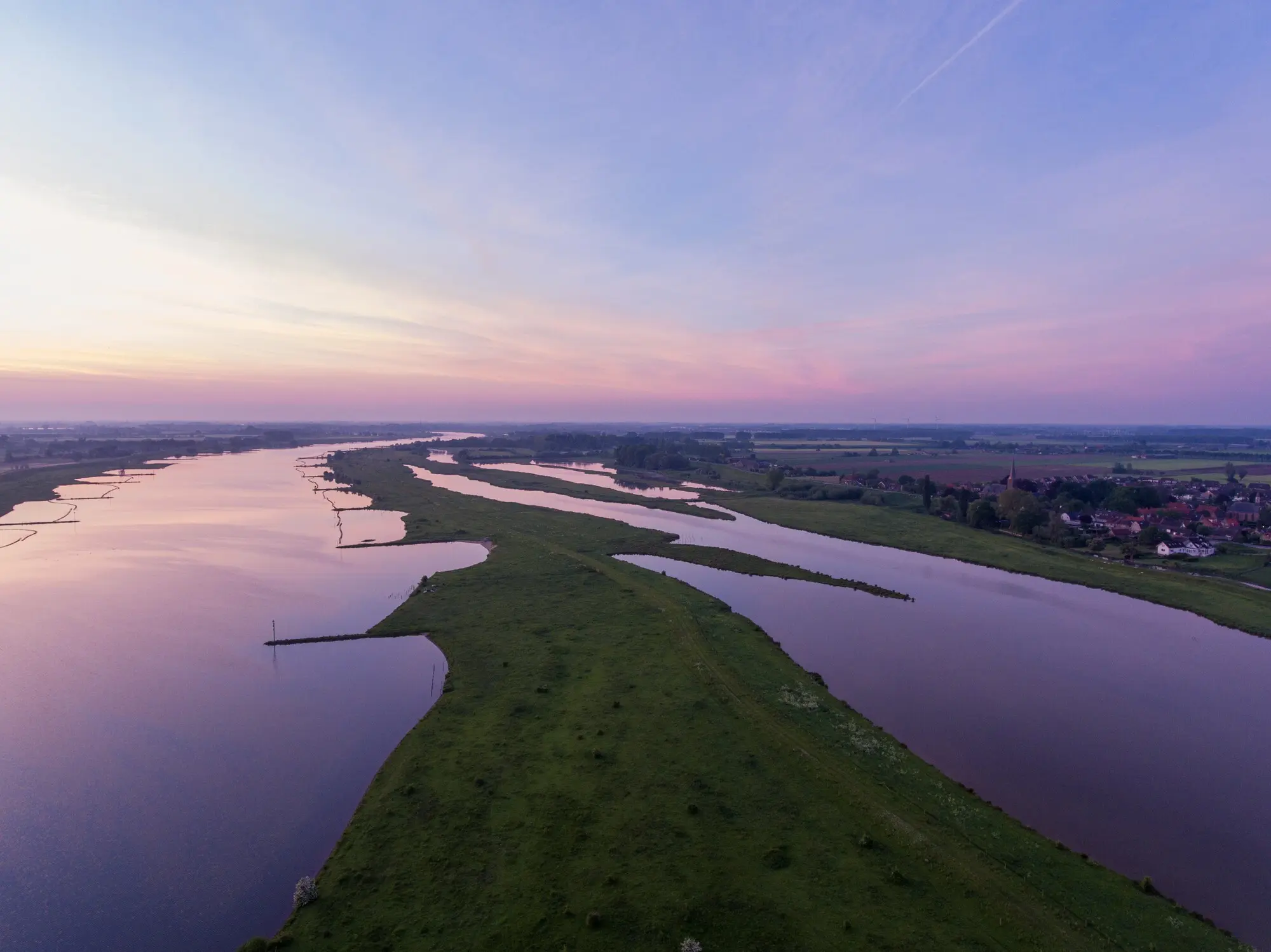
Village greens are tiny nature reserves hiding in plain sight, stitched to hedges and meadows. Spring brings cowslips, daisies, and blackthorn froth along edges, while summer hums with bees above clover. Autumn leaf‑fall frames bonfire nights, and winter draws rooks to stark trees. Walking slowly, you notice pollinators, fungi, and micro‑habitats flourishing under careful mowing regimes and considerate community stewardship.

Wildflowers and the choreography of mowing

Many councils and volunteers now stagger cuts, allowing flowers to seed and insects to feed. Watch how uncut margins host knapweed, buttercups, and orchids in lucky parishes, while shorter swards suit games and picnics. Learn to identify leaves by shape and season, and you gain a second itinerary within your route: a quiet floristic pilgrimage mapped by color, scent, and appreciative pauses.

Birdsong, bats, and twilight discoveries

At dawn, blackbirds and robins rehearse around greenside hedges; at dusk, pipistrelle bats stitch small circles over ponds and lamplit corners. Bring patience, not just binoculars. Sit still, listen for distant bells, and let nightjars or tawny owls surprise you near edge habitats. Sharing sightings later with locals strengthens care for roosts, nest boxes, and light levels that keep skies welcoming.

Ponds, margins, and careful footsteps

Where greens include water, dragonflies spark and moorhens fuss through reeds. Keep dogs out during nesting, step wide of wet patches, and admire reflections without trampling banks. Each considerate choice protects amphibian nurseries and delicate swards. In mud season, accept a little splatter as a badge of kinship with place, washing boots later while stories cling like happily earned souvenirs.

Path etiquette, dogs, and livestock sense

Close every gate, even if you found it open, and keep dogs short‑leashed where lambs, calves, or horses graze. Give wide berth to protective animals, pass quietly between cattle, and never feed them. If a green hosts sport, step outside boundary ropes with a wave to players. These courtesies keep ancient access alive, preventing conflict and preserving that light, shared touch upon the land.

Supporting those who care for the green

Parish councils and volunteer groups steward paths, benches, and planters. Show appreciation by buying cakes at fundraising stalls, tipping maintenance tins, or joining a weekend tidy. Even a short litter‑pick or a note about a broken latch helps. Your coins and minutes become practical blessings, turning walking routes into relationships where visitors strengthen resilience, beauty, and welcome one small act at a time.

Share your notes and join the conversation

Tell us which paths flowed, where waymarks hid, and which benches offered perfect views. Post GPX tweaks, pub recommendations, and historical tidbits you learned from a church warden or cricketer. Subscribe for future itineraries and seasonal updates, then reply with photos or audio snippets of birdsong. Together we can refine routes, spotlight under‑loved greens, and keep this living network vibrant.